Hair loss is a common concern affecting millions of people worldwide. Whether caused by genetics, stress, hormonal changes, or poor hair care habits, thinning hair can impact confidence and self-esteem. In recent years, rosemary oil has gained significant attention as a natural remedy for promoting hair growth and reducing hair loss. Many people are now turning to this herbal solution as an alternative to expensive treatments and chemical-based products.
In this article, we’ll explore why rosemary oil is effective rosemary oil price in pakistan how it works, and what makes the best rosemary oil for hair loss and regrowth.
Why Rosemary Oil Is Popular for Hair Growth
Rosemary oil is extracted from the leaves of the rosemary plant, a fragrant herb widely used in cooking and traditional medicine. For centuries, rosemary has been valued for its therapeutic properties, including improving circulation and reducing inflammation.
Researchers believe rosemary oil helps stimulate blood flow to the scalp. Improved circulation allows hair follicles to receive more oxygen and nutrients, creating an environment that supports healthy hair growth. Additionally, rosemary oil may help reduce scalp inflammation, which can contribute to hair thinning and shedding.
Many users report thicker, fuller hair after consistently using rosemary oil for several months.
How Rosemary Oil Helps Reduce Hair Loss
Hair follicles require a healthy environment to produce strong strands. Several factors can disrupt this process, leading to excessive shedding and slower growth.
Rosemary oil may help by:
Improving Blood Circulation
One of rosemary oil’s most significant benefits is its ability to increase scalp circulation. Better blood flow means hair follicles receive the nutrients they need to function efficiently.
Strengthening Hair Follicles
Weak follicles often produce thinner hair over time. Rosemary oil may help strengthen these follicles, reducing breakage and hair loss.
Fighting Scalp Irritation
Scalp inflammation, dandruff, and irritation can negatively affect hair growth. Rosemary oil contains anti-inflammatory and antimicrobial properties that help maintain a healthier scalp.
Supporting New Growth
By creating an optimal scalp environment, rosemary oil encourages dormant follicles to become active again, leading to visible regrowth in some individuals.
What Makes the Best Rosemary Oil?
Not all rosemary oils are created equal. When shopping for a product, it’s essential to consider quality, purity, and formulation.
1. 100% Pure Rosemary Essential Oil
The best products contain pure rosemary essential oil without unnecessary additives or synthetic fragrances. Pure oil delivers maximum potency and effectiveness.
2. Organic Ingredients
Organic rosemary oil is free from harmful pesticides and chemicals. This ensures a cleaner product that’s gentler on your scalp and hair.
3. Dark Glass Packaging
Essential oils can lose their effectiveness when exposed to sunlight. High-quality rosemary oils are usually packaged in dark amber or blue glass bottles to preserve freshness.
4. Third-Party Testing
Reputable brands often provide testing information to verify purity and quality. This helps ensure you’re getting a genuine product.
5. Carrier Oil Blend
Some rosemary oils come pre-mixed with carrier oils such as jojoba, castor, coconut, or argan oil. These blends are convenient and safer for direct scalp application.
Top Types of Rosemary Oil for Hair Regrowth
Pure Rosemary Essential Oil
This concentrated form offers maximum benefits but must be diluted before use. It allows users to customize their hair treatments by mixing with their preferred carrier oil.
Rosemary and Castor Oil Blend
Castor oil is known for supporting thicker-looking hair. Combined with rosemary oil, it creates a powerful formula that nourishes the scalp and promotes healthier strands.
Rosemary and Jojoba Oil Blend
Jojoba oil closely resembles the scalp’s natural oils, making it an excellent carrier. This blend hydrates the scalp without feeling greasy.
Rosemary Hair Serums
Hair serums containing rosemary oil often include additional growth-supporting ingredients such as biotin, peppermint oil, and vitamins. These products are designed specifically for hair regrowth routines.
How to Use Rosemary Oil for Hair Loss
Proper application is crucial for achieving the best results.
Scalp Massage Method
Mix a few drops of rosemary essential oil with a carrier oil and gently massage it into your scalp for five to ten minutes.
Massaging helps stimulate circulation while ensuring the oil reaches the hair follicles.
Overnight Treatment
Apply diluted rosemary oil before bedtime and leave it on overnight. Wash your hair the next morning with a gentle shampoo.
Add It to Shampoo
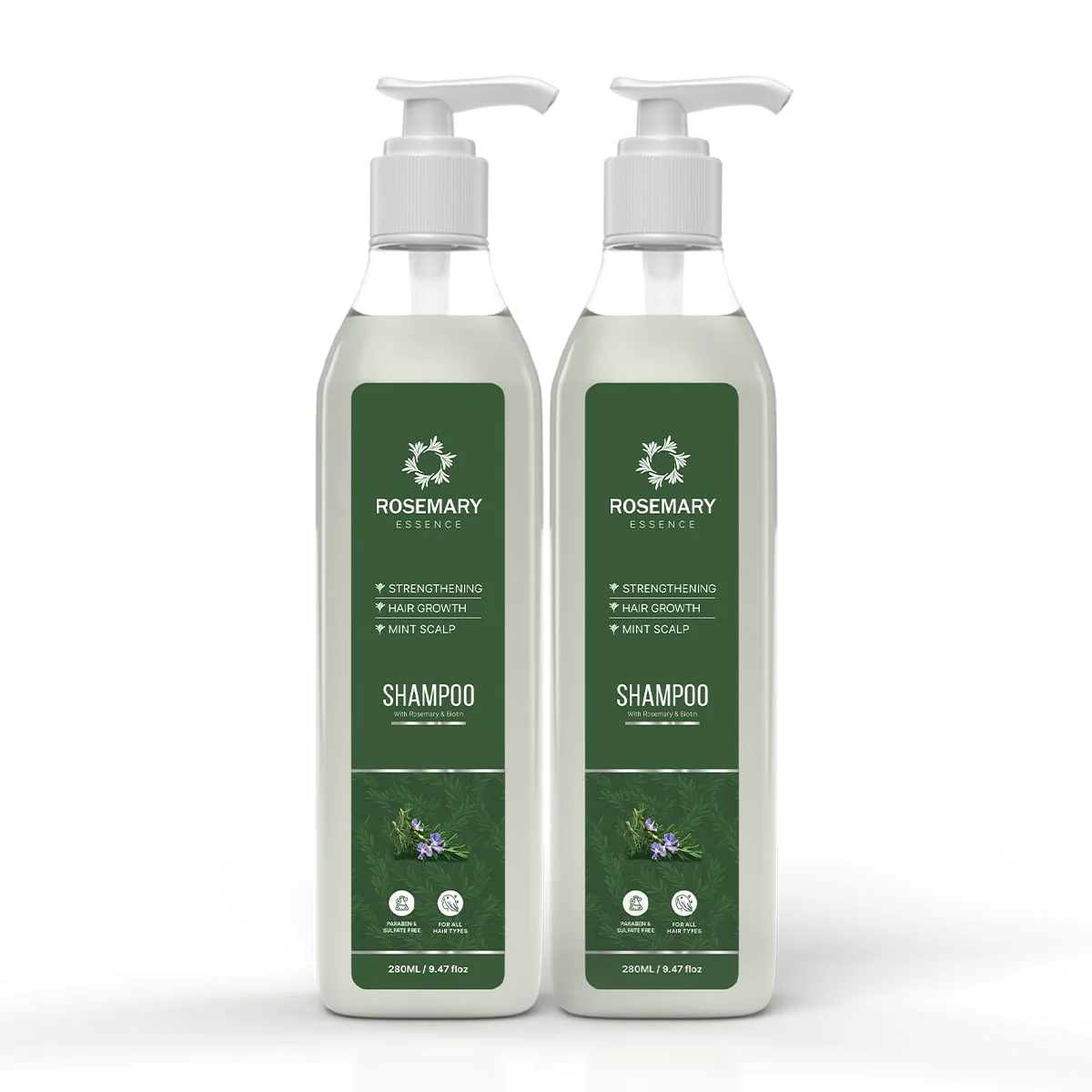
Adding a few drops of rosemary oil to your regular shampoo can provide daily scalp support.
Weekly Hair Mask
Combine rosemary oil with coconut oil, aloe vera gel, or castor oil to create a nourishing hair mask. Leave it on for 30–60 minutes before rinsing.
How Long Does It Take to See Results?
Natural remedies require patience. While some people notice improvements within a few weeks, most users need consistent use for three to six months before seeing significant changes.
Hair growth occurs slowly, and results depend on factors such as age, genetics, overall health, and the severity of hair loss.
Consistency is often the key to success.
Additional Tips for Better Hair Growth
Rosemary oil works best when combined with healthy lifestyle habits.
Eat a Nutrient-Rich Diet
Hair needs protein, vitamins, and minerals to grow. Include foods rich in:
- Iron
- Zinc
- Biotin
- Vitamin D
- Omega-3 fatty acids
Manage Stress
Chronic stress can trigger excessive shedding. Practices such as exercise, meditation, and adequate sleep can support healthier hair growth.
Avoid Excessive Heat Styling
Frequent use of straighteners, curling irons, and blow dryers can weaken hair strands and increase breakage.
Stay Hydrated
Proper hydration supports overall scalp health and helps maintain strong hair.
Common Mistakes to Avoid
Using Undiluted Essential Oil
Pure rosemary essential oil is highly concentrated and may irritate the scalp if applied directly. Always dilute it with a carrier oil.
Expecting Instant Results
Hair regrowth takes time. Many users stop too early before the oil has a chance to work.
Applying Too Much Oil
More isn’t always better. Excessive application can leave hair greasy and difficult to manage.
Ignoring Scalp Health
A healthy scalp is essential for hair growth. Address issues such as dandruff, irritation, or buildup alongside your rosemary oil routine.
Are There Any Side Effects?
Rosemary oil is generally considered safe when used correctly. However, some individuals may experience:
- Mild scalp irritation
- Redness
- Itching
- Allergic reactions
Perform a patch test before applying rosemary oil to your entire scalp. If irritation occurs, discontinue use immediately.
Pregnant individuals and those with specific medical conditions should consult a healthcare professional before using essential oils.
Final Thoughts
Rosemary oil has become one of the most trusted natural remedies for hair loss and regrowth. Its ability to improve scalp circulation, strengthen hair follicles, and create a healthier scalp environment makes it a valuable addition to any hair care routine.
The best rosemary oil is pure, high-quality, and preferably organic. Whether you choose a pure essential oil, a castor oil blend, or a specialized hair serum, consistent use can help support stronger, fuller-looking hair over time.
While rosemary oil is not a miracle cure, it offers a natural and affordable option for individuals seeking healthier hair growth without relying solely on chemical treatments. Combined with good nutrition, stress management, and proper hair care, rosemary oil can play a meaningful role in your journey toward thicker, healthier hair.