Introduction
Obsessive-Compulsive Disorder (OCD) is a mental disorder that affects millions of people worldwide. It is characterized by persistent, intrusive thoughts, fears, or impulses that result in compulsions. The said thoughts and actions can be very interfering to the point of disrupting people’s lives, work, and social life in general. Although most people have experienced at least one form of anxiety or compulsion, OCD goes beyond ordinary anxieties and compulsions. Knowing about the common OCD symptoms will make it easier for people to understand their condition.
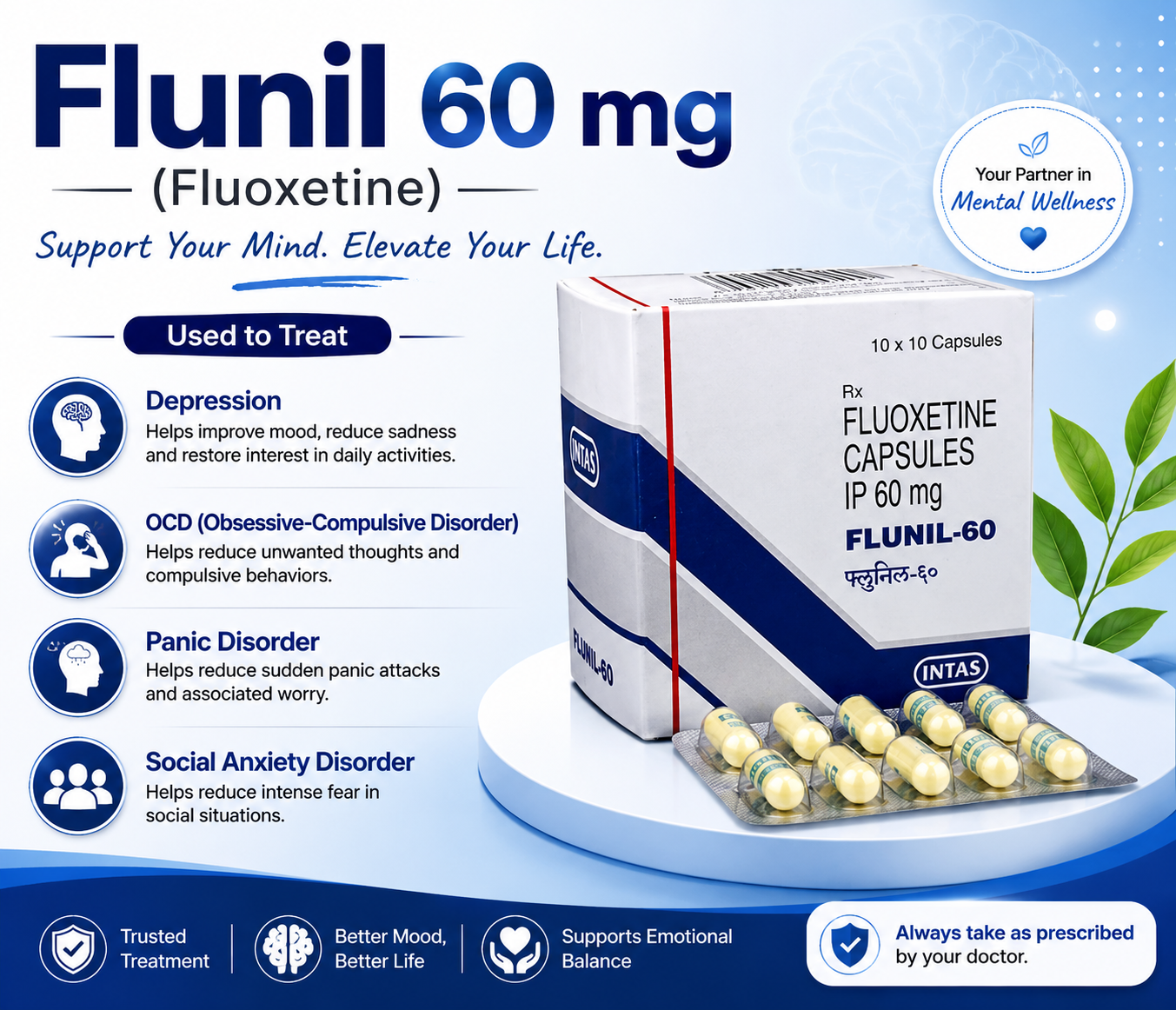
OCD does not discriminate based on age or gender, and it usually affects people of various races. People who are affected by OCD include those found in countries like the USA, Canada, and Australia, among others, where there is increased mental awareness. Identifying the symptoms early enough will help patients to deal with OCD better. Some healthcare experts prescribe Flunil 60 mg (Fluoxetine) to help patients with OCD.
Individuals with OCD have unique symptoms; some people are affected by the obsessions, while others face the compulsions or both. Depending on individual cases, there are healthcare experts who may decide to prescribe Fluxican 60 Mg (Fluoxetine).
What Is Obsessive-Compulsive Disorder?
Obsessive-Compulsive Disorder is a chronic mental health condition characterized by two main features:
- Obsessions
- Compulsions
Obsessions are unwanted and repeated thoughts, images, or urges that create anxiety or distress. Compulsions are repetitive actions or mental rituals performed to reduce that anxiety.
People with OCD often realize that their thoughts or behaviors are excessive, but they may feel unable to stop them.
Common Obsessions in OCD
Obsessions are persistent thoughts that repeatedly enter a person’s mind. These thoughts can be disturbing and difficult to control.
Fear of Contamination
One of the most common OCD symptoms is an intense fear of germs, dirt, or illness. Individuals may worry excessively about becoming sick or spreading contamination to others.
Examples include:
- Fear of touching public surfaces
- Concern about germs on household objects
- Excessive worry about cleanliness
Fear of Harm
Some people experience constant fears that they may accidentally hurt themselves or others.
Examples include:
- Fear of causing accidents
- Fear of leaving appliances on
- Fear of making dangerous mistakes
These thoughts can create significant stress and anxiety.
Need for Symmetry and Order
Many individuals with OCD feel a strong need for things to be arranged perfectly.
Examples include:
- Organizing objects repeatedly
- Becoming upset when items are out of place
- Needing things to feel “just right”
This obsession can consume a large amount of time each day.
Intrusive Unwanted Thoughts
Intrusive thoughts are disturbing ideas or images that appear unexpectedly.
These may include:
- Violent thoughts
- Sexual thoughts
- Religious concerns
People with OCD usually do not want these thoughts and often feel guilty or distressed because of them.
Common Compulsions in OCD
Compulsions are repetitive behaviors that individuals perform to reduce anxiety caused by obsessions.
Excessive Hand Washing
People who fear contamination often wash their hands repeatedly.
Common signs include:
- Washing hands many times a day
- Using large amounts of soap
- Washing until the skin becomes irritated
The temporary relief gained from washing often leads to repeated behavior.
Repeated Checking
Checking behaviors are another common symptom of OCD.
Examples include:
- Checking locks multiple times
- Checking appliances repeatedly
- Confirming that doors are closed
Individuals may spend considerable time checking because they fear something bad will happen if they do not.
Counting and Repeating
Some people feel compelled to count objects or repeat actions a specific number of times.
Examples include:
- Counting steps while walking
- Repeating words silently
- Performing routines in a fixed order
These rituals are often performed to reduce anxiety.
Arranging and Organizing
People with OCD may spend hours arranging items until they feel correct.
Common behaviors include:
- Aligning objects perfectly
- Reorganizing shelves repeatedly
- Adjusting household items many times
Even minor disruptions can cause significant discomfort.
Emotional Symptoms of OCD
OCD affects more than thoughts and behaviors. It also impacts emotional well-being.
Persistent Anxiety
Anxiety is one of the most common emotional symptoms of OCD.
Individuals may experience:
- Constant worry
- Nervousness
- Fear about future events
The cycle of obsessions and compulsions often increases stress levels.
Feelings of Guilt
Many people with OCD feel guilty about their intrusive thoughts.
Even though they do not want these thoughts, they may believe the thoughts reflect their character, which can lead to emotional distress.
Frustration and Shame
People with OCD often recognize that their behaviors are irrational. However, they may still feel unable to stop them.
This can lead to:
- Embarrassment
- Frustration
- Reduced self-confidence
Physical Effects of OCD
OCD can also affect physical health.
Sleep Problems
Persistent worries and repetitive behaviors may interfere with sleep.
Common issues include:
- Difficulty falling asleep
- Frequent waking during the night
- Poor sleep quality
Fatigue
Mental exhaustion caused by obsessive thoughts can result in fatigue.
Many individuals report feeling tired even after getting enough sleep.
Skin Irritation
Excessive washing and cleaning can cause:
- Dry skin
- Redness
- Cracking of the skin
These physical symptoms may become severe if compulsions continue unchecked.
How OCD Affects Daily Life
OCD can have a major impact on everyday activities.
Work and School Performance
Obsessions and compulsions often consume valuable time.
Individuals may struggle to:
- Meet deadlines
- Concentrate on tasks
- Complete assignments efficiently
Relationships
Family members and friends may not fully understand OCD symptoms.
This can create:
- Misunderstandings
- Conflict
- Emotional distance
Open communication and education can help improve relationships.
Social Activities
Some individuals avoid social situations because of anxiety related to OCD symptoms.
This avoidance may lead to isolation and reduced quality of life.
When to Seek Professional Help
It is important to seek professional help when OCD symptoms are
- Interfere with daily life
- Cause significant distress
- Affect work or relationships
- Continue for an extended period
Mental health professionals can provide proper evaluation and guidance.
Early intervention often improves long-term outcomes.
Diagnosis of OCD
Healthcare providers diagnose OCD through clinical assessment.
They typically evaluate:
- Types of obsessions
- Types of compulsions
- Severity of symptoms
- Impact on daily functioning
A thorough assessment helps determine the most appropriate treatment approach.
Treatment Options for OCD
OCD is a manageable condition, and many individuals experience improvement with proper care.
Treatment may include:
Therapy
Psychological therapies help individuals understand and manage OCD symptoms.
Therapy often focuses on reducing anxiety and changing unhealthy behavior patterns.
Medication
Healthcare professionals may prescribe medications when appropriate. Treatment plans vary depending on individual needs and symptom severity. Patients should always follow medical advice and use prescribed medicines as directed.
Lifestyle Support
Healthy habits can support overall mental wellness.
Helpful strategies include:
- Regular exercise
- Adequate sleep
- Stress management techniques
- Strong social support
Conclusion
Obsessive-Compulsive Disorder is one of the difficult but treatable mental disorders. The main symptoms of OCD include obsessions, contamination fears, constant checking, extreme cleanliness, counting, and the desire to have everything in order. They may influence an individual’s emotional and physical well-being, relations, and everyday life.
Understanding the symptoms of OCD is an essential part of starting treatment. If a patient receives an accurate diagnosis and appropriate treatment from specialists, he or she will be able to manage symptoms effectively. The rising awareness in countries like the USA, Canada, and Australia allows people to diagnose OCD sooner.