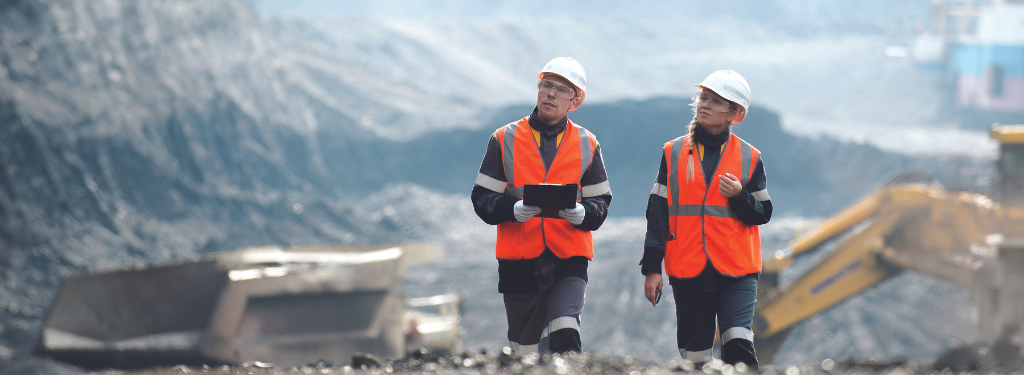
The mining industry has always been one of the most important sectors for global development. From construction and manufacturing to energy and technology, many industries depend on minerals and raw materials extracted from mines. But mining is also a complex and demanding industry. It involves heavy machinery, remote locations, worker safety risks, environmental responsibilities, and high operational costs.
For many years, mining companies depended mostly on manual processes, paper-based records, and traditional methods to manage daily operations. However, the industry is now changing quickly. Digital solutions are helping mining companies work smarter, safer, and more efficiently.
Today, technology is not just an option for mining businesses. It is becoming a necessity for improving productivity, reducing risks, and making better decisions.
The Need for Digital Transformation in Mining
Mining operations involve many moving parts. Companies need to manage workers, equipment, vehicles, production data, site safety, inventory, maintenance, compliance, and logistics. When these activities are handled manually, it becomes difficult to maintain accuracy and control.
Manual processes can lead to delays, errors, poor communication, and higher costs. For example, if equipment maintenance is not tracked properly, machines may break down unexpectedly. If production data is recorded late or incorrectly, managers may not get a clear picture of site performance.
Digital solutions help solve these problems by bringing important operations into one connected system. This gives mining companies better visibility, faster communication, and more control over daily activities.
Improving Safety at Mining Sites
Safety is one of the biggest priorities in mining. Workers often operate in challenging environments where accidents can happen due to equipment failure, poor visibility, unsafe zones, or lack of real-time information.
Digital tools can help improve safety by monitoring site conditions, tracking worker movement, and providing alerts when something goes wrong. For example, sensors can detect dangerous gas levels, equipment overheating, or unsafe working conditions. Mobile apps can help workers report hazards instantly. GPS-based systems can track vehicles and workers in real time.
When managers receive quick alerts, they can respond faster and reduce the chances of accidents. Digital safety systems also help companies maintain proper records for audits and compliance.
Better Equipment Management
Mining companies use expensive machines such as excavators, drills, loaders, trucks, crushers, and conveyor systems. If any major equipment stops working, it can delay operations and increase costs.
Digital solutions help companies monitor equipment health and performance. Instead of waiting for a machine to fail, companies can use data to predict maintenance needs. This is known as predictive maintenance.
For example, if a machine starts showing unusual vibration, temperature, or fuel usage, the system can alert the maintenance team. This allows the company to fix the issue before it becomes a bigger problem.
Better equipment management reduces downtime, increases machine life, and helps mining businesses save money in the long run.
Real-Time Data for Smarter Decisions
In mining, decisions often need to be made quickly. Managers need to know how much material is being extracted, how equipment is performing, how many workers are active, and whether production targets are being met.
With traditional reporting, this information may arrive late. By the time managers receive the report, the problem may already have affected productivity.
Digital solutions provide real-time data, allowing teams to see what is happening at the site immediately. Dashboards can show production levels, equipment status, worker attendance, fuel usage, safety alerts, and other important information.
This helps managers make faster and more accurate decisions. Instead of relying on guesswork, they can use real-time insights to improve operations.
Streamlining Daily Operations
Mining operations require strong coordination between different teams. Site workers, supervisors, maintenance teams, logistics teams, and management must work together smoothly. Poor coordination can create delays and confusion.
Digital platforms make it easier to manage tasks, schedules, approvals, reports, and communication. Workers can update task status through mobile apps. Supervisors can assign work digitally. Management can track progress from a central dashboard.
This reduces paperwork and improves accountability. Everyone gets access to the right information at the right time, which makes daily operations more organized and efficient.
Reducing Operational Costs
Mining is a cost-heavy industry. Fuel, labor, equipment maintenance, transportation, safety management, and compliance can all add to expenses. Even small inefficiencies can create large financial losses.
Digital solutions help reduce costs by improving planning and reducing waste. Route optimization can reduce fuel usage for mining vehicles. Predictive maintenance can reduce repair costs. Automated reporting can save administrative time. Real-time monitoring can prevent delays and production losses.
When operations become more efficient, companies can control costs without affecting output quality or worker safety.
Enhancing Environmental Management
Mining companies must follow environmental rules and manage their impact on land, water, and air. This requires regular monitoring, reporting, and compliance management.
Digital systems can help track environmental data such as water usage, dust levels, emissions, waste management, and land restoration activities. Automated records make it easier to prepare compliance reports and respond to regulatory requirements.
This also helps mining companies build a more responsible and transparent image. Businesses that manage environmental responsibilities well can improve trust with regulators, communities, and stakeholders.
Improving Supply Chain and Logistics
Mining does not end with extraction. Materials need to be transported, processed, stored, and delivered. This requires strong supply chain and logistics management.
Digital solutions can help track material movement from the mining site to processing plants or customers. Companies can monitor vehicle routes, shipment status, inventory levels, and delivery timelines.
This improves planning and reduces delays. It also gives companies better control over stock, transportation costs, and customer commitments.
For mining businesses operating across multiple locations, digital logistics management can be especially valuable.
Supporting Remote Mining Operations
Many mining sites are located in remote areas where communication and management can be difficult. Digital solutions make it easier to monitor remote operations without needing managers to be physically present at every site.
Cloud-based systems, mobile apps, IoT devices, and remote monitoring tools allow teams to access important information from anywhere. This helps management stay connected with site operations and make decisions even when they are not on-site.
Remote monitoring also helps reduce unnecessary travel, saves time, and improves overall control.
Better Compliance and Reporting
Mining companies need to follow several rules related to safety, labor, environment, equipment, and production. Managing compliance manually can be difficult and time-consuming.
Digital systems help maintain accurate records, generate reports, track inspections, and store important documents. This makes audits easier and reduces the risk of missing important compliance requirements.
With automated reporting, companies can save time and reduce human error. It also helps create a clear record of actions, incidents, maintenance, and safety checks.
The Role of Automation in Mining
Automation is becoming increasingly important in mining operations. Automated systems can help with drilling, hauling, monitoring, reporting, and equipment control. While full automation may not be suitable for every mining business, even partial automation can bring major benefits.
Automated workflows reduce repetitive tasks and improve accuracy. For example, instead of manually recording production numbers, a digital system can collect and update data automatically. Instead of manually checking machine conditions, sensors can send performance data to the system.
This allows teams to focus more on planning, safety, and improvement rather than routine manual work.
Why Mining Companies Should Invest in Digital Solutions
The mining industry is becoming more competitive. Companies need to produce efficiently, follow regulations, protect workers, and manage costs. Digital technology helps businesses meet these challenges with better visibility and control.
Investing in digital solutions is not just about using new technology. It is about improving the way mining operations are planned, managed, and measured. It helps companies move from reactive problem-solving to proactive management.
Businesses that adopt digital systems early can become more efficient, safer, and better prepared for future growth.
Conclusion
Digital solutions are transforming mining operations by improving safety, equipment performance, real-time decision-making, cost control, compliance, and overall productivity. They help mining companies manage complex operations with more accuracy and confidence.
As the industry continues to evolve, technology will play an even bigger role in shaping safer and smarter mining practices. For mining businesses looking to improve performance and prepare for long-term growth, investing in mining industry software solutions can be a practical and valuable step forward.



Leave a Reply