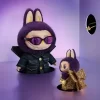
Essential guidance: View episodes 1 through 3 sequentially, taking breaks after key revelations.
Record Uzi’s screen duration, conversational highlights, and persistent symbols like eye themes and deteriorated tools.

Log timestamps for moments that shift allegiance or reveal backstory.
Analyze the assassin designated N and auxiliary machines:
tally dialogue lines per episode, document color schemes for outfits, chart relationships across initial episodes.
Record three succinct traits for each significant character and include voice performer information where known.
Use still-frame captures to illustrate design evolution.
When preparing a field guide, present concrete metrics:
episode visibility per character, proportion of screen time represented as percent, notable dialogue extracts with timestamps, and citations from creator discussions or illustrated volumes.
Suggest an episode sequence for first-time viewers:
the debut episode, second installment, third segment, followed by a concentrated rewatch emphasizing character relationships.
Design observation points: key secondary colors, form alterations, trademark deterioration indicators.
Emotion tracking guide: sources of disagreement, trust-building instances, escalation markers; correlate findings with voice acting and movement tempo per installment.
Key Figures
Prioritize each protagonist’s arc, motivation, and combat style when preparing analysis, cosplay, or performance.
For a defiant, anti-establishment lead:
replicate aggressive posture, rapid staccato speech, and frequent smirks;
costume choices should favor torn utilitarian fabric, exposed wiring accents, and asymmetrical accessories;
items to hold: battered spanner, compact light-emitting chest unit;
hair approach: untidy cropped cut with individual colored lock;
movement cues: low center of gravity with sudden speed bursts;
speech approach: biting and quick, broken by unexpected openness during private interactions.
For a detached, obligation-focused lead who gradually becomes more compassionate:
utilize accurate, sparing movements and limited rest positions;
voice direction: flat register with clipped consonants that relax in empathy beats;
costume: polished flat panels, observable pivot components, restrained hues;
cosmetics/application: faint dirt at connection areas;
action design: deliberate blows, utilizing environment for positional gain.
For creative teams and production staff:
highlight contrasting motivations directly — one personality moved by endurance and wariness, another by programmed purpose and growing inquisitiveness;
build scenarios where dialogue evolves from caustic remarks to tender disclosure across two or three minute shifts;
evade drawn-independent tv shows, check out indie series, best indie serials, independent series directory, indie serials recommendations, how to watch indie series, complete indie series list, indie filmmakers serials, serialized indie drama, niche web series narrative lectures;
demonstrate consequences through brief gestures and silences.
Technical suggestions for art crews and costume designers:
keep shape recognition during swift sequences by overemphasizing head, shoulder, and chest dimensions;
incorporate dispersed lighting elements with blink rhythms correlated to affective scenes;
support articulation areas with discreet protection for movement safety while retaining motion range;
document voice takes with various tiny modifications in inflection and breathing to catch nuanced changes.
Connection tracking:
rate confidence trajectories on a five-point spectrum from zero distrust to five closeness and coordinate pivotal moments with episode markers;
preserve tensions relational by linking feeling transitions to modest behaviors such as passed equipment, fixed connection, or defended friend rather than lengthy dialogue;
employ tangible objects to denote advancement between sequences.
Script methodology:
launch essential moments with sensory particulars including steel flavor, machinery sound, far siren — then show motivation through activity;
enable visual sequences and concise back-and-forth to present details while keeping flow and stress.
The Character N
Approach N as a conflicted figure:
unrelenting capability coupled with sudden openness.
- Position: cryptic executor with evolving commitments; triggers key disputes.
- Design: streamlined mechanical form, charred armor, single lit optical enhancement, compact structure constructed for speedy physical engagement.
- Skills: heightened situational assessment, concealed movement, fast restoration employing miniature systems; performs best in short-range fighting and penetration operations.
- Character traits: short-spoken, evaluative, mocking when challenged; infrequent displays of understanding uncover concealed suffering.
- Narrative trajectory: begins as isolated agent, gradually accepts partnerships and selfless decisions; ethical complexity fuels individual evolution.
- Crucial scenes: opening garbage-site conflict, middle chase scene, final ledge face-off; note wordless segments and minute expressions for hidden significance.
- Viewing tips: stop during silent communications to analyze position and shadow markers; monitor attire degradation as symbol for personal transformation.
- Cosplay pointers: layered armored chest plate, amber LED ocular prosthetic, textured gloves with exposed wiring, weathered paint for lived-in aesthetic.
- Community ideas: write short vignettes placing N in low-stakes domestic scenes to probe softer side; create artwork centered on reflective poses rather than action.
The Role of V in the Series
View V as dramatic trigger:
analyze actions for patterns of self-preservation versus ideological commitment and map tactical shifts across episodes to reveal arc inflection points.
Practical items for comprehensive study:
1) log arrival chronology and combined on-screen presence;
two, itemize armaments, implements, and preferred strategies;
third, record repeating dialogue cues and minute facial movements during important battles;
four, document partnerships created or terminated and circumstances for each change.
Conduct analysis:
advanced environmental awareness, inclination toward surprise attacks and mental manipulation, regular employment of creative solutions when supplies limited, susceptibility when facing connections to prior relationships.
Apply these characteristics to anticipate probable decisions in unshown sequences.
Image and noise markers to track closely:
clothing deterioration sequences that indicate recent engagements;
repeated environmental items that serve as background clues;
delicate vocal tone changes that signal inner transformation;
shot composition that separates V during ethical turning points.
Perspective directions beneficial to examine:
treat V as foil for questions about autonomy and hierarchy rather than as pure villain;
evaluate perspectives where seeming brutality hides safeguarding purposes;
evaluate reliability of any single confession by cross-referencing earlier behavior.
Practical recommendations for fandom creators and analysts:
keep moral uncertainty when producing new pieces;
reveal history through items or quick recollection pieces rather than prolonged discourse;
stagger reveals so each novel information reexamines prior segments without opposing established occurrences.
Q&A:
Which figures are central to Murder Drones and how are they defined?
Which figures are central to Murder Drones and how are they defined?
The ensemble splits into multiple clear groups:
the inventive survivors who challenge existing order;
the thinking service automatons with different temperaments;
the deadly hunter-class machines that carry out organizational directives;
and human-designed characters who symbolize absent or compromised leadership.
Survivors tend to be scrappy, witty, and morally flexible;
labor machines vary from nervous and humorous to quietly courageous;
assassin drones are methodical, ruthless, and occasionally conflicted;
command characters are detached, scheming, and propelled by staying alive.
These differences generate tension and surprising partnerships across the series.
How does the relationship between the protagonist and the murder drones evolve over the course of the show?
Early on their encounters focus on endurance and common peril:
one party aims to persist, the other is engineered to annihilate.
Gradually, small acts—loose loyalties, shared losses, and moments of mercy—blur strict attacker/target roles.
Some machines commence questioning their commands, and the main figure learns to utilize private hesitations rather than simply battling.
Feeling moments, intimate dialogues, and ethical dilemmas drive various figures toward collaboration, while others intensify their initial intentions, resulting in strained conflicts and evolving partnerships.
Are there hidden design details or callbacks in the characters that longtime viewers might miss?
Indeed.
Creators and artists utilize consistent visual indicators:
color patterns suggesting affiliation or previous suffering, recurring symbols placed in backgrounds, and refined outfit deterioration indicating a character’s background.
Small background props or graffiti sometimes reference earlier episodes or the studio’s other projects.
Voice acting decisions such as an omitted syllable or a pronunciation variation can also expose internal struggle or a history moment before it is directly shown.
Which character’s origin story is the most surprising, and why?
The most surprising background belongs to a figure presented as an adversary who gradually discloses a relatable history.
Early depiction concentrates on menace and competence, but later memory sequences and passing comments disclose sorrow, isolation, or influence by greater entities.
This opposition between role and remembrance changes interpretation of their deeds and drives other personalities to reconsider whether retribution or comprehension is the suitable answer.
How do the combination of voice acting and animated movement bring the characters to life?
Performance and design are tightly linked:
vocal performers establish emotional quality through pacing, tone variations, and subtle hesitations, while visual artists coordinate facial gestures, eye positioning, and body stance with those selections.
A mocking statement gains edge through lifted brow and swift head rotation;
an instant of sensitivity is heightened by decelerated movement, milder lighting, and whispered speech.
Sound creation and musical indicators facilitate changes between danger and comedy, supporting audience perception of refined adjustments in motivation or atmosphere even without clear description.
Who are the main characters in “Murder Drones” and what defines their relationships?
The central duo audiences primarily concentrate on is Uzi Doorman, a rebellious labor machine with a quick wit and a thirst for information, alongside N, a detached, effective hunter droid assigned to destroy labor units.
Uzi represents the scrappy, improvisational side of the survivors, while N begins as a relentless hunter and then shows signs of internal conflict.
Their exchanges combine oppositional dialogue, unwilling collaboration, and instances of unforeseen compassion, which drives both personalities toward different decisions and changes how other automatons regard them.
Around them are supporting worker drones who form a community with distinctive quirks, and additional murder drones who act as antagonists or rival forces, creating pressure that shapes each character’s decisions.