The fashion industry is one of the largest contributors to environmental waste worldwide. With millions of tons of textiles ending up in landfills each year, consumers and brands are increasingly looking for more responsible alternatives. One of the most effective solutions is sustainable upcycled clothing—a movement that transforms existing materials into stylish, high-quality garments while reducing waste and conserving resources.
At Usedem, sustainability is more than a trend; it is a commitment to creating fashion that benefits both people and the planet. Through upcycling, clothing gets a second life, helping reduce environmental impact while offering unique and fashionable options for conscious consumers.
What Is Upcycled Clothing?
Upcycled clothing is made by repurposing existing textiles, garments, or fabric waste into new products with added value. Unlike recycling, which often breaks materials down into raw fibers before reprocessing, upcycling uses existing materials directly. This process requires less energy and fewer resources while preventing usable fabrics from being discarded.
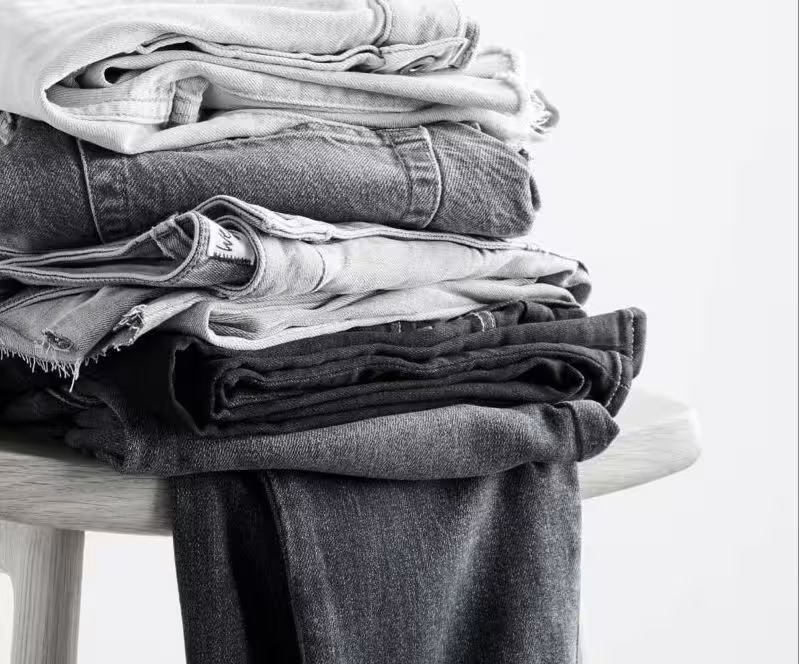
For example, old denim jeans can be transformed into trendy jackets, vintage shirts can become modern tops, and leftover fabric scraps can be redesigned into unique accessories. The result is clothing that is both environmentally responsible and creatively distinctive.
Why Sustainable Fashion Matters
The fast fashion industry has encouraged a culture of disposable clothing. Many garments are worn only a few times before being thrown away, contributing to significant environmental challenges.
Some of the major issues include:
- Excessive textile waste in landfills
- High water consumption during garment production
- Increased carbon emissions from manufacturing and transportation
- Overuse of natural resources
- Pollution caused by synthetic materials and dyes
Sustainable fashion aims to address these concerns by promoting responsible production and consumption practices. Upcycled clothing plays a crucial role in this effort by reducing the need for new materials and extending the life cycle of existing textiles.
Environmental Benefits of Upcycled Clothing
Reducing Textile Waste
Every year, millions of garments are discarded despite being reusable. Upcycling diverts these materials from landfills and transforms them into valuable fashion items.
Conserving Natural Resources
Producing new fabrics often requires significant amounts of water, energy, and raw materials. By reusing existing textiles, upcycling minimizes the demand for resource-intensive production processes.
Lower Carbon Footprint
Manufacturing new clothing contributes to greenhouse gas emissions. Upcycling reduces the need for additional production, helping lower the overall environmental impact of the fashion industry.
Encouraging Circular Fashion
Upcycling supports the circular economy by keeping materials in use for longer periods. Instead of following a linear “produce, use, discard” model, upcycled fashion promotes continuous reuse and reinvention.
The Unique Appeal of Upcycled Fashion
One of the most exciting aspects of upcycled clothing is its individuality. Since many pieces are created from existing garments or limited materials, each item often has unique characteristics that cannot be mass-produced.
Consumers are increasingly seeking clothing that reflects their personal style rather than following generic fashion trends. Upcycled fashion offers:
- One-of-a-kind designs
- Creative craftsmanship
- Vintage-inspired aesthetics
- Higher perceived value
- A meaningful story behind each garment
At Usedem, every piece represents a commitment to sustainability while celebrating creativity and originality.
Supporting Ethical Consumption
Choosing upcycled clothing goes beyond environmental responsibility. It also encourages more mindful purchasing habits. Consumers become more aware of the resources, labor, and materials involved in clothing production.
When people invest in durable, thoughtfully designed garments, they are less likely to contribute to overconsumption. This shift toward quality over quantity helps create a more sustainable and ethical fashion industry.
By supporting brands like Usedem, customers can make purchasing decisions that align with their values while enjoying stylish, high-quality clothing.
The Growing Demand for Sustainable Fashion
Consumers around the world are becoming increasingly aware of environmental issues. As a result, sustainable fashion is experiencing rapid growth. More shoppers are actively seeking brands that prioritize eco-friendly materials, ethical practices, and waste reduction.
Several factors are driving this trend:
- Increased awareness of climate change
- Growing concern about textile waste
- Interest in ethical consumerism
- Demand for transparent supply chains
- Appreciation for unique and handcrafted products
Upcycled clothing perfectly meets these expectations by combining sustainability, style, and innovation.
How Usedem Promotes Sustainable Fashion
At Usedem, sustainability is integrated into every stage of the fashion journey. The company focuses on giving quality materials a second life through creative upcycling techniques and responsible production practices.
By carefully selecting reusable textiles and transforming them into fashionable garments, Usedem helps reduce waste while offering customers distinctive products that stand out from conventional fashion.
The brand’s commitment extends beyond creating clothing. It also aims to inspire consumers to make more conscious choices and embrace a more sustainable lifestyle.
The Future of Upcycled Clothing
The future of fashion is increasingly linked to sustainability. As environmental awareness continues to grow, upcycled clothing is expected to become an even more important part of the industry.
Advancements in design, technology, and consumer education are making it easier for brands to create innovative products from existing materials. At the same time, customers are recognizing that sustainable choices can be both fashionable and impactful.
Upcycled fashion demonstrates that style and sustainability can work together. It proves that clothing does not need to come at the expense of the environment.
Conclusion
Sustainable upcycled clothing represents a powerful solution to some of the fashion industry’s most pressing environmental challenges. By reducing waste, conserving resources, and promoting ethical consumption, upcycling helps create a more responsible and sustainable future.
At Usedem, fashion is about more than appearance—it’s about purpose. Through innovative upcycled designs, the company is helping redefine what modern fashion can be: stylish, sustainable, and environmentally conscious.
As more consumers embrace sustainable choices, upcycled clothing will continue to play a vital role in shaping a greener, more responsible fashion industry for generations to come.