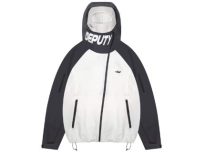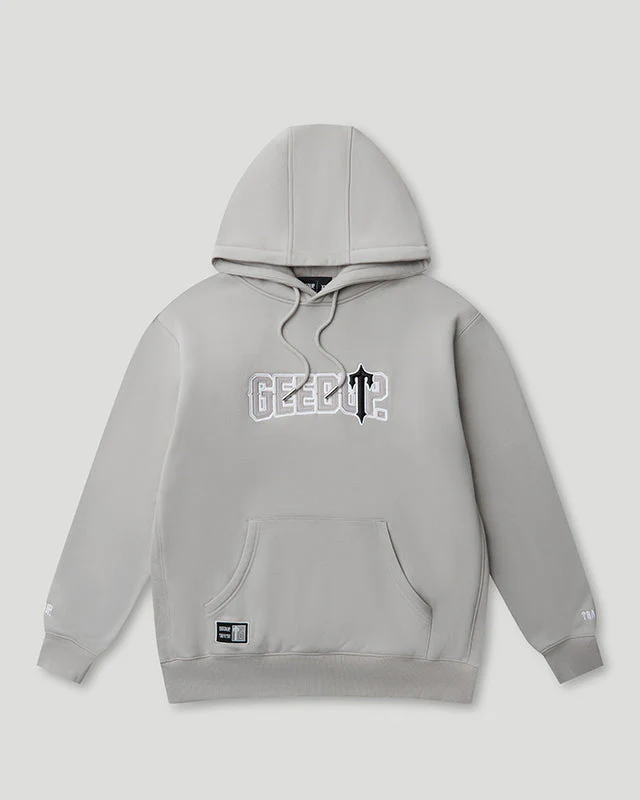
In modern fashion, streetwear has evolved from a niche style associated with underground communities into a global cultural force. Today, successful streetwear brands are not built only on clothing—they are built on stories, values, and communities. One of the brands that represents this new era is Geedup, an Australian streetwear label that has transformed itself from a small independent project into a powerful identity-driven movement.
Geedup’s rise reflects a major shift in fashion: people are no longer buying clothes simply because they look good. They are buying into ideas, lifestyles, and communities. The brand’s popularity comes from its ability to connect with people who see clothing as a representation of where they come from, what they believe in, and the culture they belong to.
The Origins of Geedup’s Identity
Founded in Australia by Jay Manzo and his partners, Geedup Clothing began as an independent streetwear project built around creativity, determination, and a strong connection to local culture. The brand emerged from a desire to create something authentic rather than follow traditional fashion industry rules.
From the beginning, Geedup positioned itself differently from mainstream clothing companies. Instead of relying on large advertising campaigns or traditional retail strategies, it focused on building a loyal community. The brand’s growth was driven by word of mouth, limited releases, and a strong relationship with its supporters.
This approach mirrors the early foundations of streetwear, where brands grew through cultural connections rather than conventional fashion systems. Like many influential streetwear movements, Geedup created a sense of belonging among its audience. Wearing the brand became a way for people to identify with a shared mindset.
Streetwear as a Symbol of Identity
Streetwear has always been connected to identity. From skateboarding and hip-hop cultures to youth movements around the world, clothing has often served as a visual language. What people wear can communicate their interests, background, values, and social connections.
Geedup represents this idea strongly. The brand’s designs often carry messages of ambition, loyalty, resilience, and self-belief. Rather than presenting fashion as something distant or exclusive, Geedup connects with everyday experiences and personal journeys.
This identity-based approach is especially important in an era where consumers want authenticity. Many people are attracted to brands that feel genuine and community-driven. They want to support companies that have a story behind them, not just products created for profit.
Geedup’s supporters often view the brand as more than clothing. It represents a mindset: working hard, staying loyal to your people, and creating your own path.
The Power of Exclusivity and Limited Releases
One of the key strategies behind Geedup’s success has been its use of limited drops. Instead of producing unlimited quantities, the brand creates anticipation by releasing small collections that often sell quickly.
This strategy has become a defining feature of modern streetwear culture. Limited availability creates excitement and makes customers feel like they are part of something exclusive. Owning a piece from a specific release becomes a personal connection to a moment in the brand’s history.
However, exclusivity alone does not create a successful movement. Many brands attempt limited releases but fail to build lasting communities. Geedup’s strength comes from combining scarcity with a meaningful identity. Fans are not only chasing rare items—they are supporting a brand that represents something important to them.
Community Over Traditional Marketing
A major reason for Geedup’s growth is its rejection of traditional fashion marketing. Instead of depending heavily on mainstream advertising, the brand has focused on direct engagement with its audience.
Social media has played a major role in allowing independent brands to build communities. Platforms such as Instagram and TikTok allow streetwear companies to communicate directly with supporters, share behind-the-scenes content, and create a sense of connection.
Geedup has used this approach effectively by maintaining a strong relationship with its audience. The brand’s supporters feel involved in its journey, which strengthens loyalty and encourages organic growth.
This community-focused model represents a major change in fashion. In the past, large companies controlled trends through magazines, advertisements, and retail spaces. Today, independent brands can grow by creating meaningful relationships with their customers.
The Role of Authenticity in Modern Fashion
Authenticity has become one of the most valuable qualities in contemporary streetwear. Consumers are increasingly aware of marketing strategies and often look for brands that feel real.
Geedup’s appeal comes from its independent origins and its connection to everyday culture. The brand does not present itself as something unreachable. Instead, it reflects ambition, struggle, success, and personal growth.
This authenticity is particularly important in streetwear because the culture has always valued originality. Streetwear began as a rejection of traditional fashion rules, allowing individuals to create their own styles and identities. Brands that succeed in this space often understand that their audience wants a connection, not just a product.
Geedup’s Influence on Australian Streetwear
Geedup has played an important role in the growth of Australian streetwear culture. For many years, global brands dominated the streetwear conversation, but local labels have increasingly gained recognition by developing unique identities.
The success of Geedup demonstrates that Australian streetwear can compete internationally by focusing on originality and community. Rather than copying overseas trends, the brand has developed its own voice based on local experiences and perspectives.
Its growth has also inspired other independent creators to pursue their own ideas. Geedup represents the possibility that a small brand with a strong vision can build a major following without following traditional fashion industry structures.
The Future of Identity-Based Streetwear
The rise of Geedup reflects a broader movement in fashion where identity has become more important than status. Modern consumers want clothing that tells a story and connects them to a community.
Future streetwear brands will likely continue focusing on values, storytelling, and direct relationships with customers. The strongest brands will not simply sell products—they will create cultures.
Geedup’s journey shows that success in streetwear is not only about design. It is about understanding people and creating something they feel connected to. A hoodie, jacket, or shirt becomes meaningful when it represents a shared belief or experience.