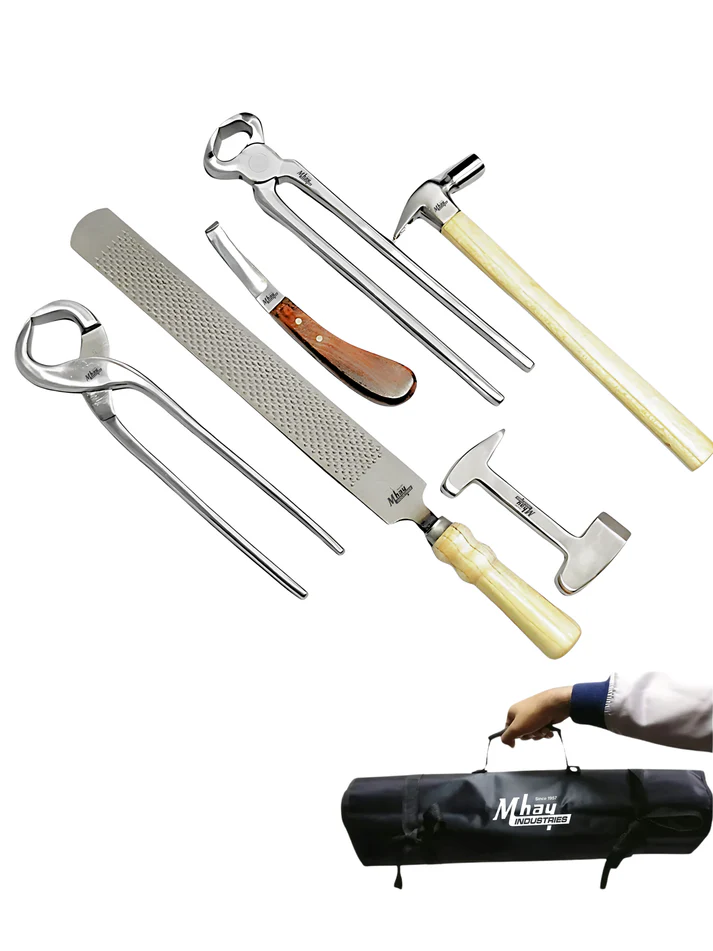
Hoof health is critical to a horse’s overall well-being, and farriers play a key role in maintaining it. In 2026, the importance of using high-quality tools has become more evident than ever. While specialized equipment like Equine Dental Kits is essential for broader horse care, farriers must focus on precision hoof tools. Poor-quality or dull equipment can lead to uneven trims, improper shoeing, and ultimately hoof injuries. By investing in reliable tools, farriers not only improve their work efficiency but also significantly reduce the risk of harm to the horse.
Why Tool Quality Matters in Farriery
Precision and Control
High-quality tools provide better control and accuracy during trimming and shoeing. A sharp hoof knife, for example, allows the farrier to remove dead tissue cleanly without cutting into sensitive areas. Precision helps maintain proper hoof balance, which is essential for preventing strain and injury.
Reduced Risk of Damage
Low-quality tools can slip, chip, or apply uneven pressure to the hoof. This increases the risk of cracks, splits, and bruising. In contrast, well-crafted tools are designed to handle pressure smoothly, minimizing trauma to the hoof structure.
Essential Tools That Impact Hoof Safety
Hoof Knife and Nippers
These are among the most frequently used tools, and their quality directly affects the outcome of hoof trimming. Sharp blades ensure clean cuts, reducing stress on the hoof and preventing tearing or jagged edges.
Rasp
A high-grade rasp creates a smooth, level surface, which is crucial for proper weight distribution. Uneven hooves can lead to lameness and long-term joint issues.
Clinchers and Hammers
During shoeing, precision is vital. Quality clinchers and hammers help secure the horseshoe properly without over-tightening or damaging the hoof wall.
The Link Between Tool Maintenance and Injury Prevention
Sharpness and Efficiency
Regular sharpening keeps tools effective and safe. Dull tools require more force, increasing the likelihood of mistakes and injuries.
Cleanliness and Hygiene
Clean tools reduce the risk of infection. Dirt and bacteria can easily enter small cracks or cuts in the hoof, leading to serious conditions if not managed properly.
Ergonomics and Farrier Performance
Reducing Fatigue
Ergonomically designed tools reduce strain on the farrier’s hands, wrists, and back. Less fatigue means better focus and more consistent work, which directly benefits the horse.
Consistency in Work
When farriers are comfortable and confident in their tools, they can maintain a steady workflow. Consistency ensures each hoof is treated with the same level of care and precision.
Long-Term Benefits of Using High-Quality Tools
Improved Hoof Health
Consistent use of reliable tools leads to healthier hooves over time. Proper trimming and shoeing prevent issues such as cracks, imbalances, and lameness.
Cost Efficiency
Although high-quality tools may require a higher initial investment, they last longer and perform better, reducing the need for frequent replacements.
Conclusion
High-quality tools are not just a preference they are a necessity for professional farriers aiming to prevent hoof injuries and ensure optimal horse health. From precision cutting to secure shoeing, every tool plays a role in maintaining the integrity of the hoof. By investing in durable, well-designed equipment and maintaining it properly, farriers can provide safer, more effective care and contribute to the long-term soundness of the horses they serve.


Leave a Reply