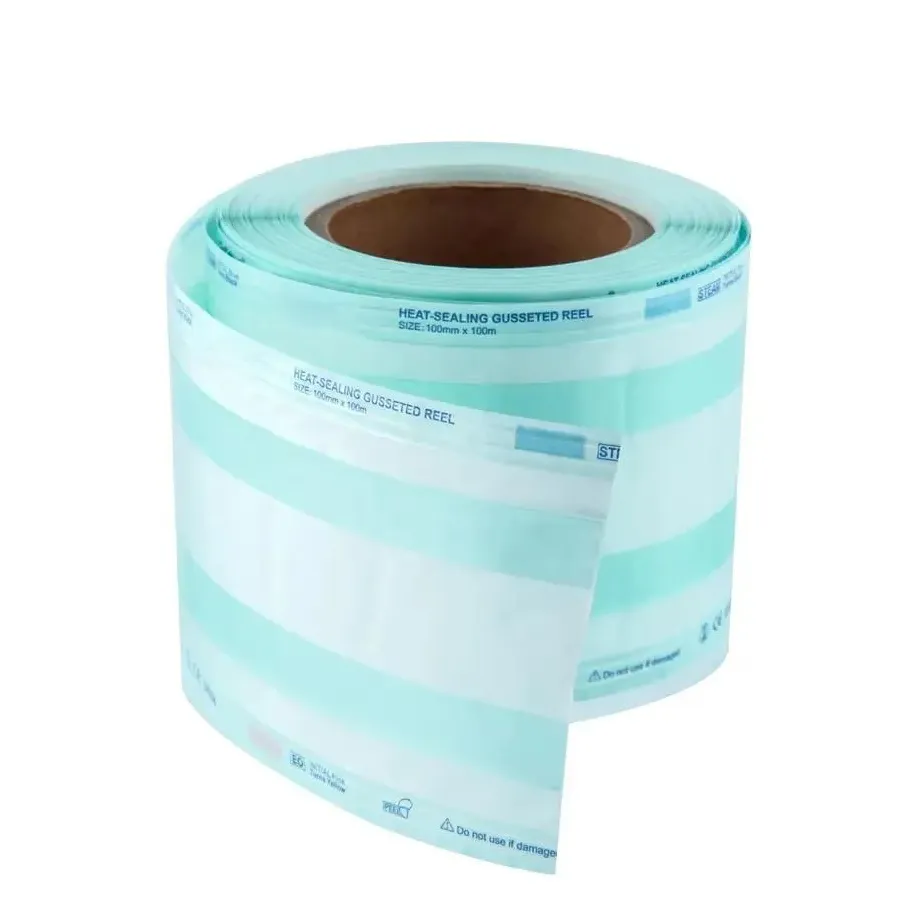
In food production and delivery, packaging failure rarely shows up as a dramatic event. It usually appears as a small leak at the bottom of a bag, grease marks on a carton, or a customer complaint about soggy packaging. For business owners, procurement managers, and event companies handling high food volumes, these small issues can quickly turn into product loss, customer dissatisfaction, and avoidable replacement costs.
This is one reason heat seal paper has become a practical material in modern food packaging systems, Buy heat seal paper especially where moisture, oil, and temperature changes are part of the supply chain.
How heat seal paper addresses leakage risks
Heat seal paper is designed to bond under controlled heat and pressure, creating a tight closure that limits exposure to air and liquid. For food brands dealing with items like sandwiches, bakery products, fried foods, or prepared meals, this sealing capability reduces the risk of leakage during transport.
Unlike basic wrapping materials, heat seal paper provides a controlled barrier that supports product containment without relying only on folding or adhesive tapes. This makes it useful in fast-moving food operations such as delivery kitchens, catering setups, and retail food counters.
For teams evaluating sourcing options, one commonly used reference product is here: buy heat seal paper
Why procurement teams prioritize material performance
When comparing packaging options, procurement managers often evaluate more than just cost per roll or sheet. Heat resistance, sealing consistency, and compatibility with existing equipment all matter.
A key consideration is how well the paper performs across different food types. Greasy foods require stronger resistance, while cold items may demand better moisture control. If the seal fails under heat or pressure variation, leakage issues reappear regardless of packaging design.
Another important factor is consistency across production batches. In large-scale operations, even minor variations in coating or thickness can affect sealing quality. Reliable suppliers typically maintain tighter production controls to reduce this risk.
Packaging formats where heat seal paper is commonly used
Heat seal paper is rarely used in isolation. It often integrates with other packaging formats depending on the product type and distribution method:
- Mailer boxes for delivery-based food kits and subscription meals
- Rigid boxes for premium bakery or confectionery items
- Custom sleeves for sandwiches, wraps, and grab-and-go items
- Tuck-end boxes for quick-service restaurant packaging
Each format benefits from heat seal paper in different ways. For example, in mailer boxes, it helps contain internal packaging layers, while in custom sleeves it provides direct contact sealing that reduces grease transfer.
Quality, MOQ, and lead times in supplier selection
Food businesses operating at scale must consider supplier capacity early in the decision process. Minimum order quantity (MOQ) plays a major role, especially for smaller chains or seasonal businesses that cannot store large inventories.
Lead time is equally important. Packaging delays can disrupt production schedules, particularly for businesses tied to events, festivals, or peak retail seasons. Suppliers that offer predictable production timelines help reduce operational uncertainty.
Customization also plays a role, though it is often secondary to functional performance. Some brands require printed layers or specific sizing to match existing packaging lines. In such cases, coordination between design and material specifications becomes essential to avoid waste or rework.
For a broader view of related packaging material options, including food-safe wrapping papers, this reference may help procurement teams compare alternatives:
wax paper
Supplier reliability and long-term consistency
Beyond product specifications, reliability is often what determines long-term sourcing decisions. Inconsistent coating quality, delayed shipments, or batch variations can create downstream problems in food service operations.
Procurement managers typically look for suppliers who maintain stable production standards, offer clear communication during order cycles, and provide documentation for food-safe compliance where required. This becomes especially important for brands operating across multiple locations, where packaging consistency supports operational standardization.
Making a practical buying decision
For businesses evaluating heat seal paper, the decision usually comes down to balancing three areas: performance, supply stability, and cost control. A lower-priced material may appear attractive initially, but if sealing performance is inconsistent, the total operational cost can increase due to waste and replacements.
Testing small batches before committing to larger orders is a common approach. It allows teams to assess seal strength, compatibility with equipment, and real-world performance under delivery conditions.
Closing guidance for procurement teams
Heat seal paper continues to gain relevance in food packaging because it addresses a simple but costly issue: leakage during handling and transport. For procurement teams and food brands, selecting the right supplier and material specification can reduce operational friction and improve packaging consistency across product lines.
Businesses exploring sourcing options may consider requesting samples or a custom quotation based on their packaging format and volume needs before making a long-term commitment.




Leave a Reply