Commercial interior design is rapidly evolving toward materials that combine durability, modern aesthetics, and long-term performance. As offices, retail spaces, hospitality environments, and public buildings demand more functional and visually impactful interiors, the metal wall panel has emerged as one of the fastest-growing solutions in contemporary commercial architecture.
Once associated mainly with industrial buildings, metal panels are now widely used in modern commercial spaces because of their sleek appearance, structural durability, and low-maintenance performance. Architects and interior designers increasingly prefer metal surfaces for projects that require both practicality and premium visual appeal.
The Rise of Industrial-Inspired Commercial Interiors
Modern commercial design trends are heavily influenced by industrial and minimalist aesthetics. Clean lines, exposed textures, matte finishes, and metallic surfaces have become defining features in contemporary office and retail environments.
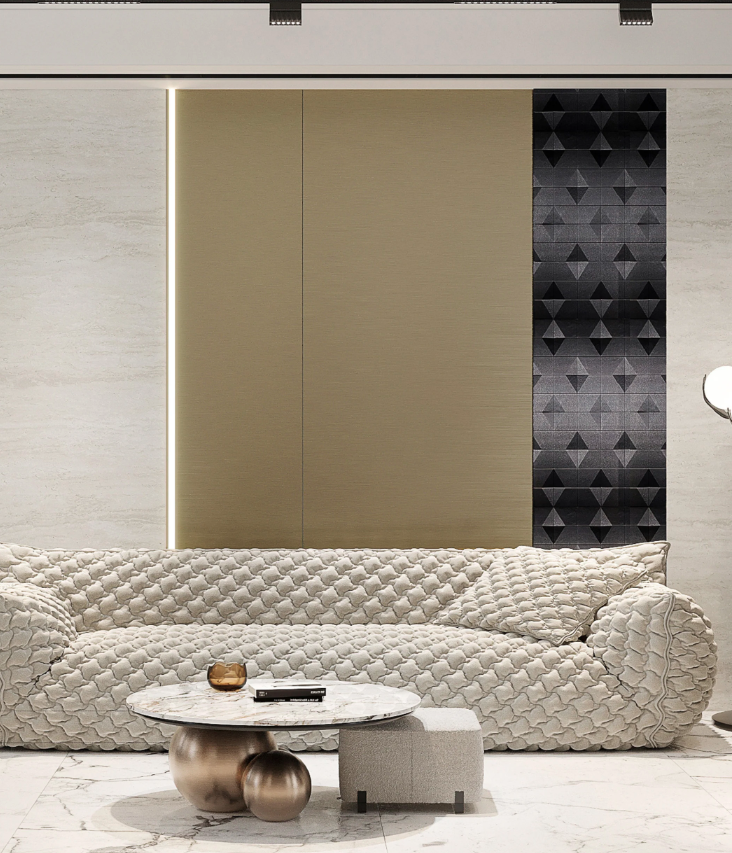
A professionally designed metal wall panel adds depth, sophistication, and architectural character to commercial interiors while maintaining a clean and modern appearance. Designers frequently use metal panels in:
- office reception areas
- retail stores
- restaurants and cafes
- hotel lobbies
- technology showrooms
- corporate workspaces
Their versatility allows them to complement both luxury commercial interiors and industrial-modern spaces.
Aluminum vs Steel Metal Wall Panels
One of the most important considerations in commercial projects is selecting the right metal material. The two most commonly used options are aluminum and steel.
Aluminum Panels
Aluminum is lightweight, corrosion-resistant, and easier to install. It is widely preferred for interior applications and modern facade systems where weight reduction is important.
Steel Panels
Steel offers superior strength and impact resistance, making it ideal for high-traffic commercial environments. Many industrial and large-scale commercial buildings use steel systems because of their structural durability.
Design professionals typically choose materials based on project requirements, environmental conditions, and installation complexity.
Durability and Corrosion Resistance
One of the biggest reasons behind the growing popularity of the metal wall panel is its long-term durability. Unlike traditional wall finishes, metal surfaces resist cracking, warping, and moisture-related damage.
Modern commercial-grade panels are often treated with powder coating technology, which improves:
- scratch resistance
- color durability
- corrosion resistance
- weather performance
- maintenance efficiency
Powder-coated finishes also provide a cleaner and more premium appearance while extending product lifespan.
Fire Resistance and Commercial Safety
Commercial spaces require materials that meet strict safety and fire-performance standards. Metal wall systems are widely preferred because they offer excellent fire resistance compared to many conventional decorative materials.
This makes them highly suitable for:
- office buildings
- hospitality interiors
- airports
- shopping centers
- healthcare facilities
- public infrastructure projects
Many architects specify metal surfaces to improve both safety and long-term performance in high-occupancy environments.
Acoustic Backing and Installation Systems
Modern metal panel systems now include advanced installation technologies and acoustic backing options. Acoustic insulation behind metal panels helps reduce sound reflection and improves comfort in commercial interiors.
Hidden fastening systems and modular installation methods also allow designers to create seamless architectural surfaces with cleaner visual lines.
Conclusion
As commercial architecture continues embracing industrial-modern aesthetics and high-performance materials, the metal wall panel has become a leading choice for contemporary design projects. Its combination of durability, fire resistance, corrosion protection, and sleek visual appeal makes it ideal for offices, retail spaces, hospitality environments, and large-scale commercial buildings.
From aluminum facade systems to powder-coated steel interiors, metal wall panels continue redefining modern commercial design with strength, functionality, and architectural sophistication.
Commercial interior design is rapidly evolving toward materials that combine durability, modern aesthetics, and long-term performance. As offices, retail spaces, hospitality environments, and public buildings demand more functional and visually impactful interiors, the metal wall panel has emerged as one of the fastest-growing solutions in contemporary commercial architecture.
Once associated mainly with industrial buildings, metal panels are now widely used in modern commercial spaces because of their sleek appearance, structural durability, and low-maintenance performance. Architects and interior designers increasingly prefer metal surfaces for projects that require both practicality and premium visual appeal.
The Rise of Industrial-Inspired Commercial Interiors
Modern commercial design trends are heavily influenced by industrial and minimalist aesthetics. Clean lines, exposed textures, matte finishes, and metallic surfaces have become defining features in contemporary office and retail environments.
A professionally designed metal wall panel adds depth, sophistication, and architectural character to commercial interiors while maintaining a clean and modern appearance. Designers frequently use metal panels in:
- office reception areas
- retail stores
- restaurants and cafes
- hotel lobbies
- technology showrooms
- corporate workspaces
Their versatility allows them to complement both luxury commercial interiors and industrial-modern spaces.
Aluminum vs Steel Metal Wall Panels
One of the most important considerations in commercial projects is selecting the right metal material. The two most commonly used options are aluminum and steel.
Aluminum Panels
Aluminum is lightweight, corrosion-resistant, and easier to install. It is widely preferred for interior applications and modern facade systems where weight reduction is important.
Steel Panels
Steel offers superior strength and impact resistance, making it ideal for high-traffic commercial environments. Many industrial and large-scale commercial buildings use steel systems because of their structural durability.
Design professionals typically choose materials based on project requirements, environmental conditions, and installation complexity.
Durability and Corrosion Resistance
One of the biggest reasons behind the growing popularity of the metal wall panel is its long-term durability. Unlike traditional wall finishes, metal surfaces resist cracking, warping, and moisture-related damage.
Modern commercial-grade panels are often treated with powder coating technology, which improves:
- scratch resistance
- color durability
- corrosion resistance
- weather performance
- maintenance efficiency
Powder-coated finishes also provide a cleaner and more premium appearance while extending product lifespan.
Fire Resistance and Commercial Safety
Commercial spaces require materials that meet strict safety and fire-performance standards. Metal wall systems are widely preferred because they offer excellent fire resistance compared to many conventional decorative materials.
This makes them highly suitable for:
- office buildings
- hospitality interiors
- airports
- shopping centers
- healthcare facilities
- public infrastructure projects
Many architects specify metal surfaces to improve both safety and long-term performance in high-occupancy environments.
Acoustic Backing and Installation Systems
Modern metal panel systems now include advanced installation technologies and acoustic backing options. Acoustic insulation behind metal panels helps reduce sound reflection and improves comfort in commercial interiors.
Hidden fastening systems and modular installation methods also allow designers to create seamless architectural surfaces with cleaner visual lines.
Conclusion
As commercial architecture continues embracing industrial-modern aesthetics and high-performance materials, the metal wall panel has become a leading choice for contemporary design projects. Its combination of durability, fire resistance, corrosion protection, and sleek visual appeal makes it ideal for offices, retail spaces, hospitality environments, and large-scale commercial buildings.
From aluminum facade systems to powder-coated steel interiors, metal wall panels continue redefining modern commercial design with strength, functionality, and architectural sophistication.