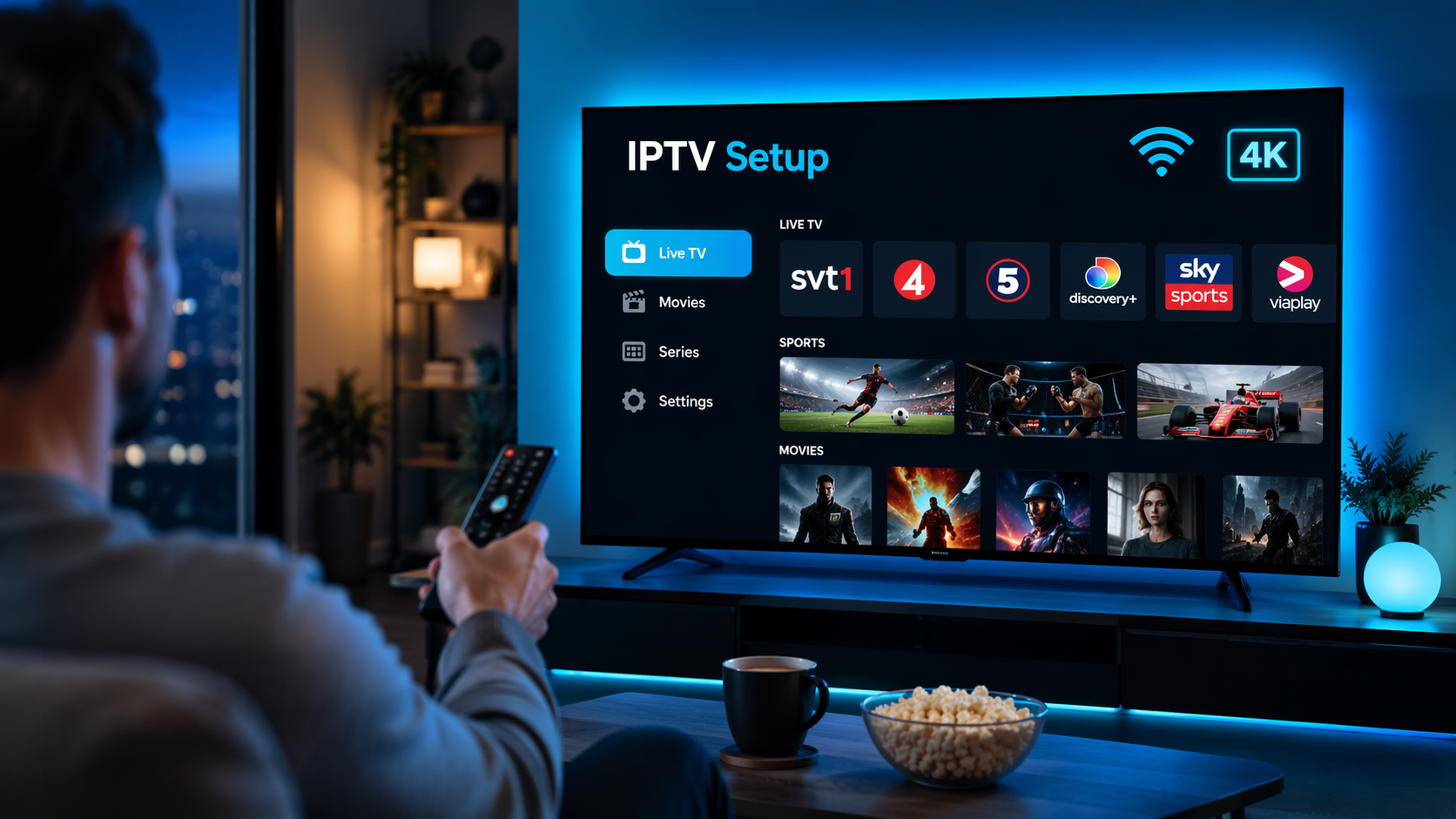
Television viewing has changed dramatically over the last decade. While cable subscriptions were once the standard way to access live channels, many viewers are now exploring alternatives that offer greater flexibility and convenience. Modern streaming technology has made it possible to enjoy live television without relying on traditional cable infrastructure.
Today’s audiences want more control over how and where they watch content. Whether it is live sports, news broadcasts, entertainment channels, or international programming, internet-based viewing options provide a practical alternative to conventional television services.
For beginners, switching away from cable may seem complicated, but the process is often much simpler than expected.
Why Viewers Are Moving Away From Cable
Traditional cable television has served households for many years, but changing viewing habits have encouraged people to explore other options.
Many cable packages include channels that viewers rarely watch, while monthly costs continue to increase. Long-term contracts and equipment requirements can also reduce flexibility.
Modern audiences prefer entertainment solutions that fit their lifestyle rather than forcing them to follow fixed schedules and subscription structures.
As a result, streaming services have become an increasingly popular choice.
Understanding Live TV Streaming
Live TV streaming allows viewers to watch television channels through an internet connection instead of a cable network.
Content is delivered directly to compatible devices such as smart TVs, smartphones, tablets, laptops, and streaming devices.
Many people looking for a dependable live TV solution choose internet-based platforms because they provide access to live channels while offering greater flexibility than traditional television systems.
This approach allows users to enjoy live content from almost anywhere with internet access.
Choose the Right Device
One of the first steps in watching live TV without cable is selecting the device you want to use.
Most streaming services support a wide range of hardware, including smart televisions, mobile phones, tablets, laptops, and dedicated streaming devices.
Choosing a device often depends on personal preferences and viewing habits. Some users prefer large-screen experiences at home, while others value the portability of mobile streaming.
The good news is that modern platforms usually support multiple devices simultaneously.
Ensure a Reliable Internet Connection
A stable internet connection is essential for a smooth viewing experience.
Streaming quality depends largely on internet speed and reliability. Faster connections help reduce buffering and improve picture quality, especially when watching high-definition content.
Many households already have internet speeds capable of supporting live TV streaming without difficulty.
Investing in a reliable connection can significantly improve overall entertainment quality.
Enjoy More Flexible Viewing
One of the biggest advantages of streaming live TV is flexibility.
Traditional television often requires viewers to be in a specific location at a specific time. Streaming services remove many of these restrictions by allowing content to be accessed across multiple devices.
This means viewers can watch live sports while traveling, follow news updates on a smartphone, or enjoy entertainment channels from different rooms in the house.
Flexibility is one of the key reasons many people choose streaming over cable.
Access to More Content
Streaming services often provide access to a broad selection of content categories.
Viewers can watch sports, movies, entertainment channels, documentaries, news broadcasts, and international programming through a single platform.
This variety gives users more entertainment choices while simplifying the viewing experience.
For many households, having multiple content options available in one place adds significant value.
Live TV and On-Demand Content Together
Many streaming platforms combine live television with on-demand content libraries.
This allows viewers to enjoy live broadcasts while also accessing movies, series, highlights, and replay content whenever convenient.
The combination of live and on-demand viewing creates a more complete entertainment experience.
It also ensures users have access to content even when they miss a scheduled broadcast.
Cost Flexibility Appeals to Modern Users
Streaming services often provide more flexible subscription structures compared to traditional cable packages.
Instead of paying for large bundles of channels, viewers can choose plans that better match their interests and budgets.
This flexibility helps users manage entertainment costs more effectively while still enjoying access to live television.
The ability to adjust subscriptions without long-term commitments is another major advantage.
The Future of Live Television
The future of television is increasingly connected to internet-based delivery.
Streaming platforms continue improving viewing quality, expanding content libraries, and introducing personalized features that enhance the user experience.
As technology evolves, live television is expected to become even more accessible and flexible for audiences worldwide.
These developments will likely encourage more households to move away from traditional cable systems.
Conclusion
Watching live TV without traditional cable is easier than ever thanks to modern streaming technology.
With the right device, a stable internet connection, and access to quality streaming services, viewers can enjoy live channels with greater flexibility and convenience than traditional television often provides.
As digital entertainment continues to evolve, internet-based live TV solutions will remain a popular choice for audiences seeking more control over their viewing experience.




Leave a Reply